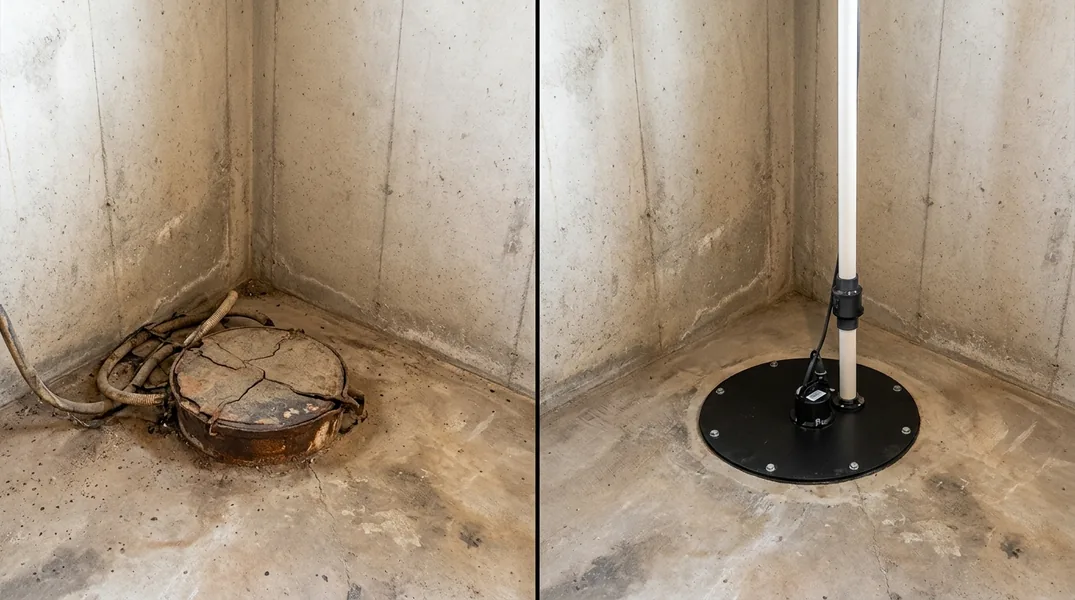
Why Sump Pump Maintenance Matters in Pueblo
If you live in Pueblo, you already know the weather can swing from dry and hot to sudden downpours. During monsoon season, intense storms can dump inches of rain in a matter of hours. In late winter and early spring, snowmelt from the surrounding foothills sends water rushing toward foundations. Both events put your sump pump under serious pressure. A pump that hasn't been checked since last year may fail exactly when you need it most.
Sump pump maintenance is not glamorous, but it is one of the cheapest forms of insurance for your basement. A properly maintained pump moves hundreds of gallons of water away from your foundation, keeping the space dry and preventing mold, warped flooring, and damaged belongings. If you have already invested in Basement Waterproofing, regular pump care protects that investment. Even a well-installed Interior Drain Tile System depends on a working pump to carry water out of the pit and away from the house.
Step-by-Step Sump Pump Maintenance Before Storm Season
Start by unplugging the pump and removing the lid from the sump pit. Look inside for debris, silt, or gravel that may have collected over the winter. Clean the pit and check that the float switch moves freely. A stuck float is one of the most common reasons a pump fails to turn on. Next, fill the pit with water using a bucket or hose and watch the pump activate. It should kick on quickly, drain the pit, and shut off without cycling repeatedly. If it struggles, makes grinding noises, or won't start, it needs service or replacement.
While you are in the pit, inspect the discharge pipe and the sump pump check valve. The check valve prevents water from flowing back into the pit after the pump shuts off. A faulty valve means the pump runs longer and more often, which shortens its life. Make sure the discharge line is clear and that it directs water several feet away from the foundation. If the line slopes back toward the house or ends too close to the wall, you are inviting that water right back into your basement. For homeowners in Pueblo West and other areas with clay-heavy soil, this step is especially important because water drains slowly and tends to pool near foundations.
The Role of a Battery Backup Sump Pump
Monsoon storms and spring snowmelt often arrive with power outages. Lightning, high winds, and downed lines can knock out electricity just when your pump is working hardest. A battery backup sump pump is a second pump that runs on a charged battery when the primary pump loses power or fails. It is not a luxury in Pueblo. It is a practical safeguard against the kind of storm basement flooding that can ruin a finished basement in minutes.
Battery backup systems need maintenance too. Test the battery every few months and replace it according to the manufacturer's schedule, usually every three to five years. Check the charger indicator to confirm the battery is holding a charge. If you are unsure whether your current setup includes a backup, a professional inspection can tell you. Investing in a backup now costs far less than cleaning up after a flooded basement later. If you want to know what a backup system or other upgrades would cost, check our pricing page for clear, upfront information.
Snowmelt Basement Risks and Foundation Waterproofing
Snowmelt basement problems often develop slowly. As snow melts in the hills and temperatures rise, water seeps into the soil and moves toward your foundation. If your Foundation Waterproofing is aging or your exterior drainage is poor, that water finds cracks and porous concrete. You may not see standing water immediately, but damp walls, efflorescence, and a musty smell are early warning signs. A sump pump helps only after water reaches the pit. Preventing water from entering in the first place is the job of Exterior Basement Waterproofing and proper grading.
Before snowmelt season, clear snow and ice away from the foundation and make sure downspouts discharge well away from the house. Check the ground slope around the foundation and add soil if it settles toward the walls. If you notice recurring dampness or your pump runs constantly during wet periods, it is worth having a professional evaluate the whole system. Homeowners in Avondale and Florence face similar conditions, and a local inspection can identify issues before they become expensive repairs.
Sump Pump Maintenance Near Me: When to Call a Pro
Some maintenance tasks are safe for a handy homeowner: cleaning the pit, testing the float, and checking the discharge line. But if your pump is more than seven to ten years old, runs frequently, or has ever failed during a storm, a professional evaluation is wise. A technician can test the pump under load, inspect the check valve and discharge system, verify that your backup battery is healthy, and confirm that your drainage system is sized correctly for your home. They can also spot foundation or grading issues that put extra demand on the pump.
If you are searching for sump pump maintenance near me in Pueblo, look for a local company that understands the specific soil and weather patterns here. Pueblo Waterproofing has helped homeowners across the area prepare for both monsoon season and spring snowmelt. Whether you need a routine check, a new check valve, a battery backup, or a full drainage evaluation, we can help. Call (719) 717-3300 or request a free estimate today. A little maintenance now can save you a very wet and expensive surprise later.
Looking for a professional basement waterproofing contractor in Pueblo? Pueblo Waterproofing responds fast for all your basement waterproofing needs.
Get a Free QuoteOur services: Basement Waterproofing · Interior Drain Tile System · Exterior Basement Waterproofing